
1.Demand Analysis
- Vehicle Characteristics: Mainly 12-meter city buses with a battery capacity of 200kWh-300kWh, a daily driving range of 80-150 km, and support for 60kW-360kW DC fast charging.
- Charging Demand Forecast: Expected to serve XX electric buses, with an average daily charging capacity of approximately 200kWh per vehicle. Charging peaks are concentrated in the morning and evening.
2.Site Selection & Layout Planning
- Site Selection Principles: Convenient transportation, easy power access, sufficient land, safety and compliance, and alignment with urban planning.
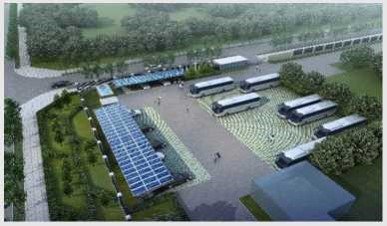
- Layout Planning: Divided into charging area, power distribution area, auxiliary function area, and vehicle passage. The size of each charging bay is no less than 3m x 12m.
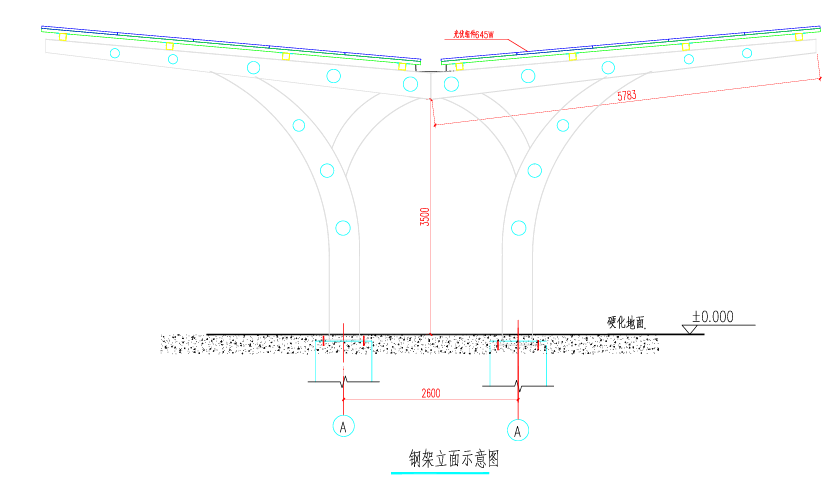
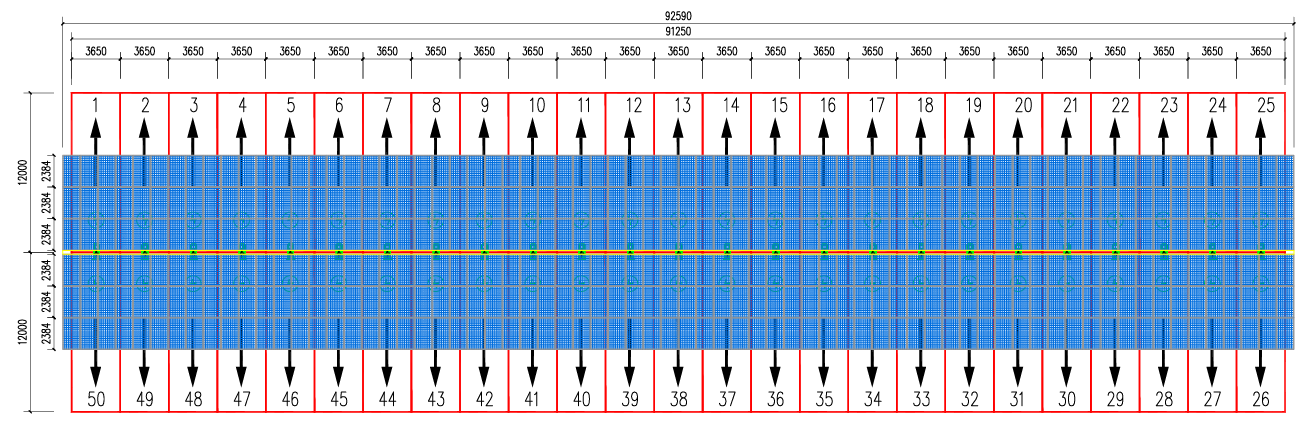
Charge station layout
3.Technical Solution
- Charging Equipment: Selection of mainstream 120kW-180kW DC fast chargers, equipped with a small number of 240kW-360kW ultra-fast chargers, supporting smart billing and remote monitoring.
- Power Supply System: Connected to the 10kV power grid, with dedicated transformers and reactive power compensation devices configured to ensure stable power supply.
- Intelligent Management System: Enables real-time monitoring, operation management, remote maintenance, and vehicle-to-grid (V2G) interaction functions.
4. Cost Analysis & Business Model
- Capital Expenditure: Mainly includes land, civil engineering, equipment procurement, and power access.
- Operating Expenses: Mainly includes electricity fees, maintenance costs, and labor costs.
- Business Model: Primary revenue from charging service fees, supplemented by advertising and value-added services, with active applications for government subsidies.
5.Implementation Plan & Risk Assessment
- Implementation Plan: Divided into four phases: project initiation, detailed design, construction, and acceptance/operation, expected to be completed in 12 months.
- Risk Assessment: Identification of technical, market, policy, and operational risks, with corresponding mitigation strategies proposed.
6.Environmental & Social Benefits
- Environmental Benefits: Reduction of carbon emissions and improvement of air quality.
- Social Benefits: Enhancement of public transport service levels and creation of employment opportunities.
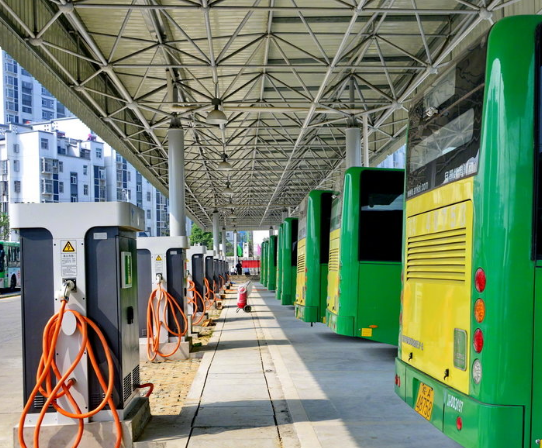
Focus on city-level smart energy management, leading the development trend of energy integration, energy digitization, clean and smart
Charging Pile: Total solution
Complete range of products
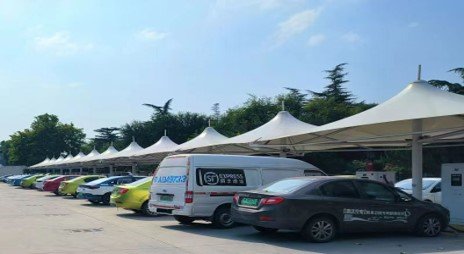
Provide national standard, European standard and other multi-standard product series: single-phase/three-phase AC pile, wall-mounted DC pile, integrated DC pile, super charging pile, storage and charging pile, flexible charging pile, flexible to adapt to various scenarios
Intelligent and reliable
Intelligent and efficient, support remote upgrade, compact volume, high protection;
Flexible and easy to use
Flexible solution: modular design, on-demand expansion, reduce initial investment;
Flexible use: automatic adaptation, flexible power scheduling; Ready-to-use no debugging;
Flexible cooperation: with design, product, construction, operation capabilities
Charging pile: Application scenario
Bus passenger transport
BUS Operating Vehicle
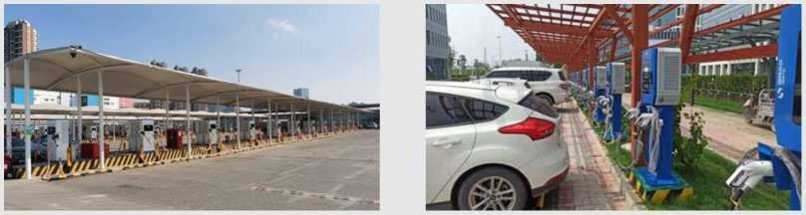
Public Parking
Public charging station Expressway service
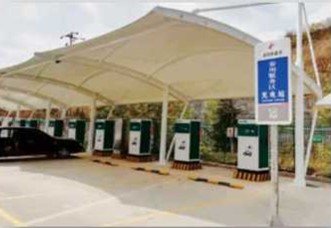
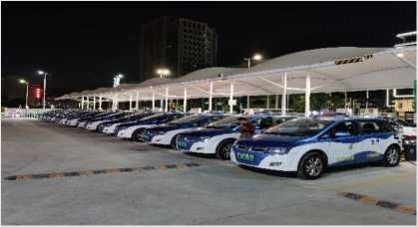
Industrial park
Industrial park Property matching
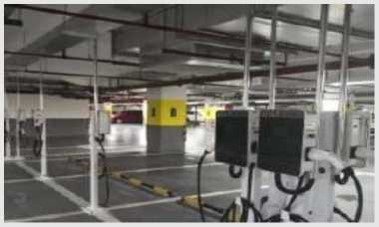
Traffic and freight
Logistics freight Heavy truck
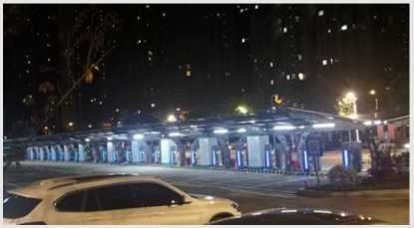
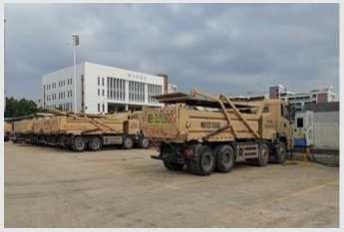
Smart solutions at the city level
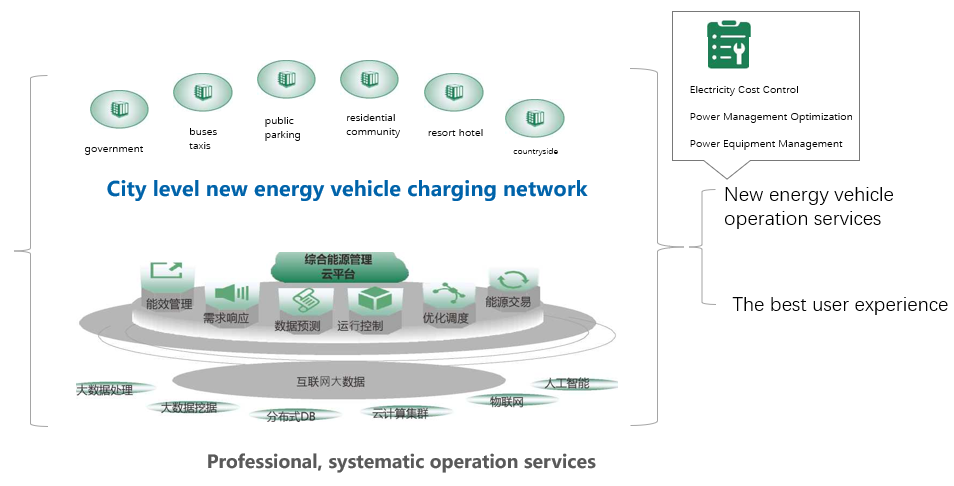
Service system
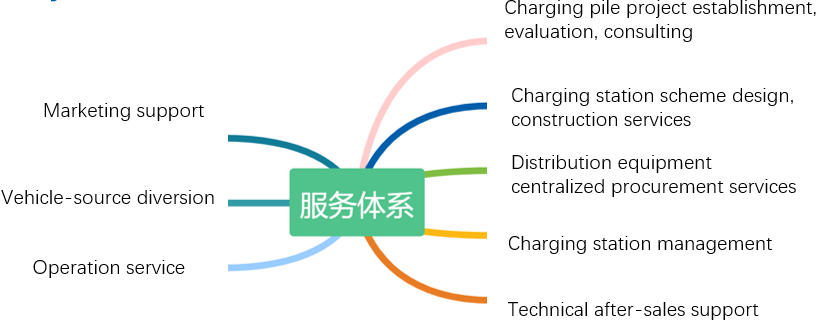
In line with the concept of taking customers as the core, fully considering the needs of customers, and aiming at one-click management of charging stations for customers, we have developed a comprehensive three-dimensional service system without dead corners, so that customers can relax, feel at ease and rest assured.